

The New Playbook: How Hotels Win in an AI‑First Search World

AI is quietly changing how guests discover hotels, and the playbook the industry has used for two decades no longer fits. We hope the following information will help you recognise and overcome the challenges this change will inevitably catalyze.
by Chris Archer-Brown 10 minute read
From “How Do We Rank?” To “How Do We Get Recommended?”
For twenty years, hotel marketing has revolved around one core question: “How do we rank higher on Google?”. That question is now too narrow, because the guest journey is no longer dominated by ten blue links and a few ads.
Today, more travellers start with AI assistants and OTA ecosystems instead of a traditional search box. Tools like ChatGPT, Perplexity and Google’s AI Overviews are already driving fast growth in AI‑referred travel traffic, while at the same time an estimated 60–70% of searches end without a click to any website at all. Zero‑click search, once a worrying trend, is now standard for many travellers—especially on mobile, where most searches never reach a hotel’s own site.
Layer in an OTA‑first funnel—where travellers simply open Booking.com or Expedia and start there—and the challenge becomes clear. The path from curiosity to booking is compressed, filtered and mediated by algorithms that were never designed around traditional SEO concepts. The strategic question for hotels shifts from “How do we climb a results page?” to “How do we appear in AI recommendations?”.
What LEO Means For Hotels
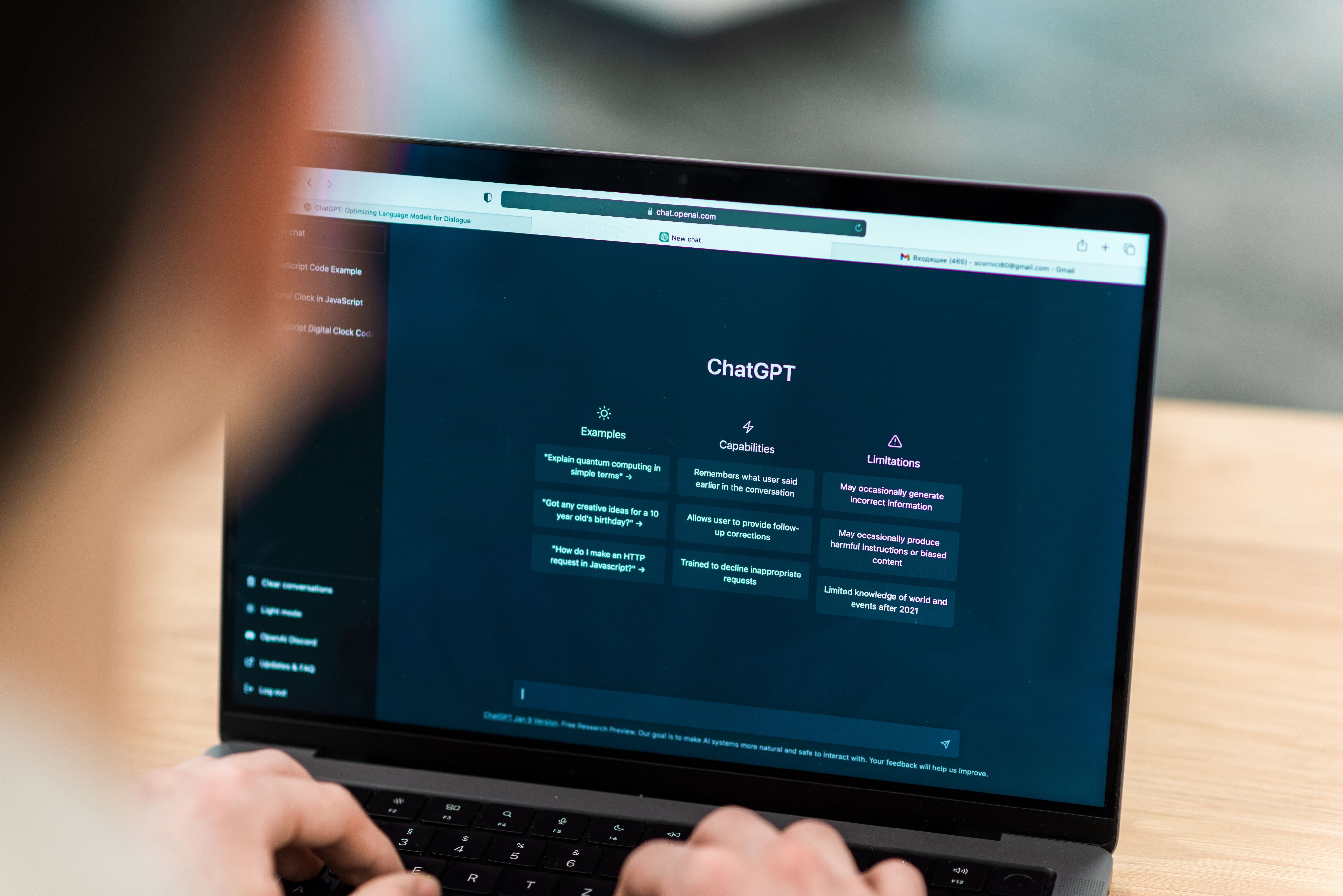
AI systems assemble these answers from sources they trust: well‑structured websites, consistent business data, rich review profiles and authoritative third‑party citations. They are built to understand conversational questions, not just parse single keywords. That means hotels must pivot from chasing broad, high‑volume phrases to owning very specific, natural‑language questions—the same questions guests speak into their phones. Early movers that adapt their content and data around these questions will occupy outsized mindshare while competitors wait for “best practice” to trickle down.
How to Design Hotel Content AI Can Understand
AI systems are picky: they absorb structured, clearly organised information and often ignore anything messy or ambiguous. For hotels, content design is no longer just about aesthetics and brand voice—it directly affects whether AI can accurately represent your property.
Certain fundamentals become non‑negotiable. Structured data (Schema.org, hotel‑specific schema, Open Graph) gives machines a reliable map of your rooms, amenities, location and policies. An answer‑first architecture flips the traditional “features and benefits” page into something more useful: explicit questions with direct, unambiguous answers. Instead of vague claims about “unforgettable family experiences”, your content should answer “Do you have connecting rooms?”, “Is the kids’ club supervised?” and “How far is the hotel from the theme park?” in plain language.
Organising content thematically helps even more. Dedicated clusters for accessibility, pet‑friendliness, family stays, wellness, meetings or local attractions allow AI systems to match specific guest questions to specific, high‑quality answers. Once you know those questions, every major section of your site—rooms, dining, offers, destination—becomes an opportunity to answer them in language that both machines and humans find clear.
Technical Foundations: Making Your Hotel Website “Machine-Ready“
Under the hood, technical quality still matters—but with a new twist. Page speed and mobile experience have always influenced conversion; now they also influence how useful your content is to AI systems and to the platforms that surface you. A slow or clumsy site becomes a signal of low quality for both guests and the tools that recommend where those guests should click next.
Consistency is another pillar. AI models cross‑reference your hotel’s name, address and phone number across your website, Google Business profile, review platforms and local directories to build a coherent profile. Gaps, contradictions or outdated details erode trust and can quietly push you out of recommendation sets. Good semantic HTML—clean headings, list structures and properly labelled sections—makes it easier for machines to pull out the right attributes, such as amenities, room types, policies and location markers.
AI‑driven platforms also favour properties where the booking path is obvious and seamless. Surfacing availability, pricing and clear calls‑to‑action on key pages helps human visitors, but it also signals that your site can complete the journey that the AI begins. When the system can see a clear route from recommendation to transaction, your property becomes a safer bet to recommend.
Building Authority and Trust In An AI-First World
No algorithm will recommend a hotel it does not trust. For generative systems, trust is built from an ecosystem of signals rather than a single score.
Reviews are one of the strongest of those signals. AI tools heavily weight recency and authenticity, effectively “reading the room” on how guests feel about your property right now. Active review management—requesting feedback, responding thoughtfully and addressing recurring issues—helps maintain a strong, current narrative for machines and humans alike.
Beyond your own domain, digital PR and third‑party citations matter more than ever. Articles in destination guides, mentions in reputable travel blogs, local tourism board listings and niche verticals (wellness, family travel, meetings) all contribute to a rich external footprint. These references reinforce the story your website tells, especially when they highlight unique differentiators such as sustainability credentials, partnerships with local experiences or hyper‑local expertise. Certifications and memberships—whether environmental, safety‑related or quality‑focused—act as recognisable trust badges that AI systems can parse and factor into their recommendations.
From SEO to LEO: A Broader Hotel Search Strategy
LEO does not replace SEO; it extends it. Traditional SEO still underpins visibility by ensuring your content is discoverable, crawlable and authoritative in the classic sense. LEO sits on top of that foundation and refocuses strategy on the conversational layer where travellers actually ask for help.
In practice, this means optimising in parallel. Core SEO work may continue to pursue competitive category terms, while LEO efforts target a web of long‑tail, high‑intent questions that match how different segments search: families, couples, business travellers, luxury guests and more. Individual content assets are now multi‑purpose: a destination guide or FAQ page can drive organic traffic, feed AI assistants with high‑quality citations and even serve as source material for OTA copy.
Measurement becomes more complex but also more useful. Hotels need to begin tracking AI‑referred traffic separately from traditional organic, direct and paid channels. Not every tool provides clean referral tagging yet, but watching for shifts in branded search volume, direct sessions following AI exposure and new question‑driven landing pages is essential to understanding how LEO is performing.
Optimising For Specific AI Platforms and Use Cases
Different AI ecosystems look at your hotel through slightly different lenses. Conversational tools such as ChatGPT often favour sources that are easy to ingest as knowledge—well‑structured websites, clear FAQs and reliable data feeds. Google’s AI Overviews combine this with the traditional search index, making structured data, featured snippets and on‑page clarity particularly valuable.

Other AI search engines and metasearch platforms lean heavily on diverse, authoritative coverage across multiple properties. For hotels, this argues for a balanced distribution of content and citations—not just a beautiful brand.com, but a portfolio of accurate, compelling presences wherever guests might encounter you. As voice‑first planning grows, the importance of natural language increases: your content needs to sound good when read aloud, and your answers need to be concise enough to fit into spoken responses.
Content Best Practices That Lift LEO Performance
To thrive in this landscape, content needs to be modular, original and relentlessly guest‑centric. Modular content blocks—short, clearly labelled sections that each answer a specific question or cover a single topic—are easier for AI to extract and recombine than long, undifferentiated paragraphs. A robust FAQ or Q&A framework across the site allows you to mirror the exact questions guests ask and gives machines an easy way to surface those answers.
Original, local insight is a key differentiator. Destination guides, event coverage, partnership spotlights and neighbourhood tips that are genuinely specific to your property and its surroundings are hard for OTAs or generic content farms to replicate. Thoughtful image captions and alt text help AI interpret your visual assets as well: a rooftop pool photo labelled “adults‑only infinity pool overlooking the marina” tells a far richer story than “hotel pool”. Regular updates keep this material fresh and prevent it from sliding down the perceived‑relevance stack as conditions change.
Competing Smarter for AI-Mediated Demand
In an AI‑mediated world, competition is no longer just about who bids more on paid search or whose listing appears first on an OTA grid. It is about which hotels own the most relevant questions in the minds—and models—of the tools guests consult.
Segment‑specific LEO strategies recognise that families, couples, solo business travellers and luxury guests all ask different questions and prioritise different details. By mapping those question sets and deliberately building content and data around them, hotels can become the default recommendation for a given niche. At the same time, stepping into the role of destination authority—offering the best, most complete answers about the area, not just the property—helps you beat OTA invisibility by giving AI systems more reasons to cite you directly.
Making Leo Real: From Strategy to Execution
The final step is execution. Start by auditing your current AI visibility: search for your property in multiple assistants and AI‑enhanced search tools, and map where you are missing or misrepresented. From there, a content inventory and gap analysis will show which guest questions you already answer well and where new assets are needed.
Implementing a LEO playbook—aligned with your SEO, revenue and operational strategies—turns this into an ongoing discipline rather than a one‑off project. Analytics and attribution need to adapt to capture AI‑origin traffic, and cross‑functional alignment is essential so that what AI promises matches what the guest experiences on arrival.
The opportunity is significant. Early adopters are already capturing a disproportionate share of AI‑mediated demand at a lower acquisition cost than paid search or OTA commission, building an advantage that slower competitors will struggle to close later. As search continues its shift toward AI‑first experiences, hotels that treat LEO as a strategic priority now will be far better positioned than those waiting for the change to feel “urgent.”